
























Industry Bodies Advocate for Variable EPR Fees in Fashion Sector in U.K

Note* - All images used are for editorial and illustrative purposes only and may not originate from the original news provider or associated company.

Subscribe

- Never miss a story with notifications

- Gain full access to our premium content

- Browse free from up to 5 devices at once

Media Packs

Expand Your Reach With Our Customized Solutions Empowering Your Campaigns To Maximize Your Reach & Drive Real Results!
– Access The Media Pack Now!
– Book a Conference Call
Leave Message for us to Get Back

Related stories

When lingerie becomes loungewear wellness and homewear cross over

The convergence of lingerie, loungewear and wellness philosophy represents a fundamental evolution in how intimate apparel functions within contemporary life, reflecting authentic recognition that clothing closest to our skin profoundly influences physical comfort, psychological wellbeing, and daily confidence. This hybrid movement responds to lifestyle changes—including remote work arrangements and wellness culture—while addressing deeper truths about comfort-first design intentionality. When designers thoughtfully select breathable fabrics like bamboo viscose, construct sophisticated knit structures, and intentionally choose calming color palettes, they create garments serving multiple functions simultaneously: looking beautiful, feeling comfortable, supporting physical health, and nurturing psychological wellbeing through deliberate design philosophy.

Natural Fibres Reshape Intimacy with Breathable Eco Lingerie

Natural fibres are transforming intimate apparel as consumers increasingly prioritise sustainability, skin health, and comfort. Materials like organic cotton, bamboo, hemp, modal, and linen offer breathability, moisture management, natural antimicrobial benefits, and hypoallergenic performance that synthetics lack. With rising demand—85% of consumers consider sustainability and 78% are willing to pay more—the market for eco-friendly intimates is rapidly growing. These fibres support better skin wellness, reduce irritation, and align with responsible, low-impact production practices, making natural-fibre lingerie a long-lasting, healthier, and more environmentally conscious choice.

Stretch Innovation Delivers Second-Skin Comfort in Modern Intimates

Advanced stretch fabrics, sustainable elastomeric fibers and body-mapping technologies are transforming intimate apparel into high-performance, second-skin garments. Modern bras and underwear now offer multidirectional stretch, seamless construction, and adaptive fit, delivering greater comfort, durability and sustainability as consumer demand shifts toward performance-driven, eco-friendly intimate wear.

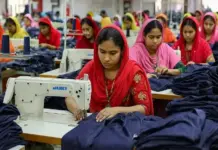
Leading industry organizations are calling for the introduction of variable Extended Producer Responsibility (EPR) fees for the U.K fashion and textile industry. This initiative aims to encourage sustainable practices by linking fees to the environmental impact of products, rather than applying a flat rate.

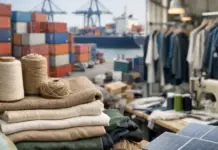
Proponents argue that a tiered fee structure would incentivize brands to adopt more sustainable materials and practices, thereby reducing waste and promoting circularity. The proposal comes as the fashion sector faces increasing pressure to address its environmental footprint and comply with stricter regulations.

By adjusting fees based on product sustainability, the industry hopes to drive meaningful change, fostering innovation while simultaneously supporting the transition towards a more responsible fashion economy.

Latest stories

Related stories

When lingerie becomes loungewear wellness and homewear cross over

The convergence of lingerie, loungewear and wellness philosophy represents a fundamental evolution in how intimate apparel functions within contemporary life, reflecting authentic recognition that clothing closest to our skin profoundly influences physical comfort, psychological wellbeing, and daily confidence. This hybrid movement responds to lifestyle changes—including remote work arrangements and wellness culture—while addressing deeper truths about comfort-first design intentionality. When designers thoughtfully select breathable fabrics like bamboo viscose, construct sophisticated knit structures, and intentionally choose calming color palettes, they create garments serving multiple functions simultaneously: looking beautiful, feeling comfortable, supporting physical health, and nurturing psychological wellbeing through deliberate design philosophy.

Natural Fibres Reshape Intimacy with Breathable Eco Lingerie

Natural fibres are transforming intimate apparel as consumers increasingly prioritise sustainability, skin health, and comfort. Materials like organic cotton, bamboo, hemp, modal, and linen offer breathability, moisture management, natural antimicrobial benefits, and hypoallergenic performance that synthetics lack. With rising demand—85% of consumers consider sustainability and 78% are willing to pay more—the market for eco-friendly intimates is rapidly growing. These fibres support better skin wellness, reduce irritation, and align with responsible, low-impact production practices, making natural-fibre lingerie a long-lasting, healthier, and more environmentally conscious choice.

Stretch Innovation Delivers Second-Skin Comfort in Modern Intimates

Advanced stretch fabrics, sustainable elastomeric fibers and body-mapping technologies are transforming intimate apparel into high-performance, second-skin garments. Modern bras and underwear now offer multidirectional stretch, seamless construction, and adaptive fit, delivering greater comfort, durability and sustainability as consumer demand shifts toward performance-driven, eco-friendly intimate wear.

Subscribe

- Never miss a story with notifications

- Gain full access to our premium content

- Browse free from up to 5 devices at once

Media Packs

Expand Your Reach With Our Customized Solutions Empowering Your Campaigns To Maximize Your Reach & Drive Real Results!

– Access The Media Pack Now!
– Book a Conference Call
Leave Message for us to Get Back

Translate »