




























PSI 2026

Pressure Mounts on Mexico’s President to Shield Apparel Industry from Chinese Competition

Note* - All images used are for editorial and illustrative purposes only and may not originate from the original news provider or associated company.

Subscribe

- Never miss a story with notifications

- Gain full access to our premium content

- Browse free from up to 5 devices at once

Media Packs

Expand Your Reach With Our Customized Solutions Empowering Your Campaigns To Maximize Your Reach & Drive Real Results!
– Access The Media Pack Now!
– Book a Conference Call
Leave Message for us to Get Back

Related stories

How Brands are Redesigning Products to Support Textile Recycling and Circularity

Fashion brands are fundamentally redesigning product architecture to support textile recycling and circular business models through design-for-recycling principles including mono-material construction, detachable trims, and simplified component design. These design transformations address downstream processing requirements, reduce end-of-life complexity, and enable brands to achieve circular positioning while simultaneously improving manufacturing efficiency and creating differentiated market positioning in sustainability-conscious segments.

USMCA Public Hearing: AAFA Advocates for Trade Agreement

The American Apparel & Footwear Association (AAFA) has firmly...

Global Regulations and Policies Accelerating Textile Recycling Adoption

Global regulatory frameworks including extended producer responsibility (EPR) mandates, circular economy directives, and textile-specific policies are fundamentally restructuring apparel industry accountability for end-of-life product management. From the European Union’s comprehensive textile EPR requirements to France’s pioneering AGEC law to emerging California regulations, policy drivers are increasingly compelling manufacturers and brands to incorporate textile recycling into their business models, creating economic incentives for circular design and driving infrastructure investment across multiple geographies.

Industry leaders in Mexico are urging President Andrés Manuel López Obrador to take decisive action to protect the country’s apparel sector from increasing competition from Chinese imports. As global trade dynamics shift, concerns have escalated regarding the potential impact of cheaper Chinese goods on local manufacturers and jobs.

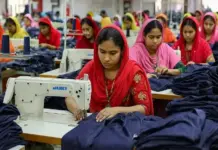
The call for protection comes as Mexican apparel producers highlight the need for government support in implementing tariffs and other measures that could help level the playing field. They argue that without intervention, the local industry may struggle to compete, risking significant job losses and economic stability in regions reliant on textile manufacturing.

Advocates for the apparel sector are emphasizing the importance of strengthening local supply chains and promoting domestic production. They argue that protecting the industry not only supports workers but also contributes to the overall economic growth of the country.

The government is facing mounting pressure to respond to these concerns, balancing the need for international trade relations while safeguarding domestic industries. As discussions continue, the future of Mexico’s apparel industry hangs in the balance, with many hoping for swift action to bolster local manufacturing against foreign competition.

Latest stories

Related stories

How Brands are Redesigning Products to Support Textile Recycling and Circularity

Fashion brands are fundamentally redesigning product architecture to support textile recycling and circular business models through design-for-recycling principles including mono-material construction, detachable trims, and simplified component design. These design transformations address downstream processing requirements, reduce end-of-life complexity, and enable brands to achieve circular positioning while simultaneously improving manufacturing efficiency and creating differentiated market positioning in sustainability-conscious segments.

USMCA Public Hearing: AAFA Advocates for Trade Agreement

The American Apparel & Footwear Association (AAFA) has firmly...

Global Regulations and Policies Accelerating Textile Recycling Adoption

Global regulatory frameworks including extended producer responsibility (EPR) mandates, circular economy directives, and textile-specific policies are fundamentally restructuring apparel industry accountability for end-of-life product management. From the European Union’s comprehensive textile EPR requirements to France’s pioneering AGEC law to emerging California regulations, policy drivers are increasingly compelling manufacturers and brands to incorporate textile recycling into their business models, creating economic incentives for circular design and driving infrastructure investment across multiple geographies.

Subscribe

- Never miss a story with notifications

- Gain full access to our premium content

- Browse free from up to 5 devices at once

Media Packs

Expand Your Reach With Our Customized Solutions Empowering Your Campaigns To Maximize Your Reach & Drive Real Results!

– Access The Media Pack Now!
– Book a Conference Call
Leave Message for us to Get Back

Translate »