



























RREUSE, ACR+, and ZWE the 3 sustainable recycling initiatives urge the EU Commission to act swiftly to prevent the collapse of the EU’s textile reuse, repair, and recycling sector.
Three organizations have issued an urgent call for funding to support the EU’s textile reuse and recycling sector. As the EU prepares for mandatory separate textile waste collection by January 2025, existing operators face significant challenges due to market oversaturation and rising costs.
The organizations, RREUSE, ACR+, and ZWE, warn that without emergency funding, the sector’s vital contributions to the circular economy and environmental protection are at risk. They propose utilizing EU funds, such as the Recovery and Resilience Fund, to bridge the financial gap until the full implementation of Extended Producer Responsibility (EPR) for textiles. This funding would maintain current facilities, circular sourcing and support local reuse initiatives, focusing on social enterprises and municipal collection systems.
In line with the waste hierarchy, the letter emphasizes that any emergency funding should prioritize local and regional reuse initiatives. Special attention should be given to textile collectors and sorters, particularly supporting social enterprises that promote work integration and poverty prevention for individuals at risk of socio-economic exclusion. Additionally, municipalities should receive support for establishing and managing textile collection systems.
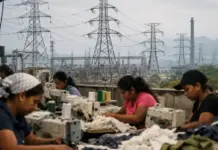
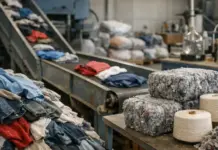
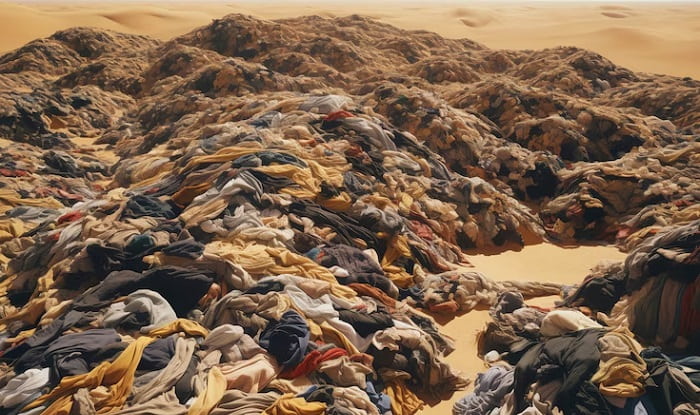
The letter highlights that sorting facilities are facing bankruptcy due to increased volumes and declining prices. Operators are struggling to find destinations for reusable items and cannot store them indefinitely. As a result, some reusable and recyclable textiles are being incinerated as residual waste because they cannot be sold or stored further. The EU cross-border second hand clothing market is saturated, recycling options are inconsistent, and retail sales fall below expectations.
The signatories explain: “This measure is essential to ensure and protect the EU’s competitiveness and resources; and for the EU to demonstrate that it takes responsibility for its waste and the implementation of its laws. Separate collection and treatment of post-consumer textiles is a significant step away from a linear economy and toward a circular economy. We do not wish to risk the continued dumping of textile waste in non-EU countries due to a timing issue. We are therefore calling for an immediate solution to an immediate problem. This should not lead us to forget the roots of the problem: overproduction, which needs to be addressed through strong eco-design requirements.”

