




























PSI 2026

Textile Recycling of Synthetic Fibers: Overcoming Polyester and Nylon Challenges

Synthetic fiber recycling presents distinct technical challenges differing substantially from natural fiber processing. Polyester, nylon, elastane, and their blends require specialized depolymerization, hydrolysis, or mechanical approaches to achieve material recovery without property degradation. Recent technological breakthroughs in chemical recycling, mixed-fiber processing, and advanced separation techniques are progressively overcoming historical barriers that confined synthetic fiber recycling to mechanical downcycling, enabling virgin-equivalent fiber recovery and genuine circular pathways for synthetic textiles.

The Connection Between Fashion Trends and Performance Textiles

The contemporary convergence of fashion consciousness and performance demand has fundamentally reimagined textile functionality. Modern apparel expectations increasingly demand simultaneous satisfaction of aesthetic preferences and technical performance requirements. Moisture management, durability, comfort, and thermal regulation have transformed from specialized athletic textile concerns into mainstream fashion expectations driving fundamental textile innovation.

Climate-Responsive Fashion Trends Shaping Seasonal Textile Development

Climate-responsive fashion represents innovative approach to textile development addressing environmental variability through intelligent fabric engineering. From thermoregulating textiles responding to temperature fluctuations to breathability systems managing moisture across varying climates, contemporary fashion trends increasingly demand textiles that adapt to environmental conditions rather than requiring wearer constant adjustment through layering or clothing changes.

Craft Revival and Artisanal Techniques Returning to Fashion Trends

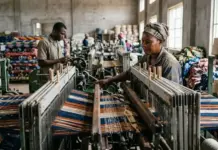
Traditional handcrafted details, artisanal techniques, and heritage textile methods are experiencing unprecedented renaissance in contemporary fashion. From hand-weaving and embroidery to traditional dyeing and beadwork, ancient craft traditions bridge generational gaps and cultural identities while addressing modern consumer demand for authenticity, sustainability, and meaningful production narratives.

New Generation Fashion Trends Blending Comfort and Aesthetics

Contemporary fashion trends reject historical tension between aesthetic appeal and physical comfort, instead emphasizing comfort-first design philosophies delivering both visual sophistication and sensory satisfaction. New generation apparel prioritizes stretch materials, soft textures, ergonomic design, and visually appealing silhouettes—eliminating compromise between looking polished and feeling comfortable.

Textiles Recycling Expo announces collaboration with Future Fabrics Expo for 2026

The Textiles Recycling Expo has entered a major new collaboration with the Future Fabrics Expo which means that both events will run alongside each other at the Brussels Expo, Belgium on 24–25 June...

Challenges Slowing Down Large-Scale Textile Recycling Adoption

Despite technological advances and strong market demand, large-scale textile recycling faces formidable operational, economic, logistical, and technological barriers that prevent the industry from achieving its full potential. Collection infrastructure remains fragmented, sorting costs remain high, blended fabrics present persistent technical challenges, virgin material cost advantages persist, and consumer participation rates remain suboptimal, collectively preventing textile recycling from reaching the scale necessary for meaningful circular economy transformation.

Subscribe

- Never miss a story with notifications

- Gain full access to our premium content

- Browse free from up to 5 devices at once

    Must read

    Translate »